Aerodynamic Principles Linking Cycling Wheel Technology and Swimwear Design in Triathlon Efficiency Studies
Xander Ludwig · Aug 15, 2026
Aerodynamic Principles Linking Cycling Wheel Technology and Swimwear Design in Triathlon Efficiency Studies
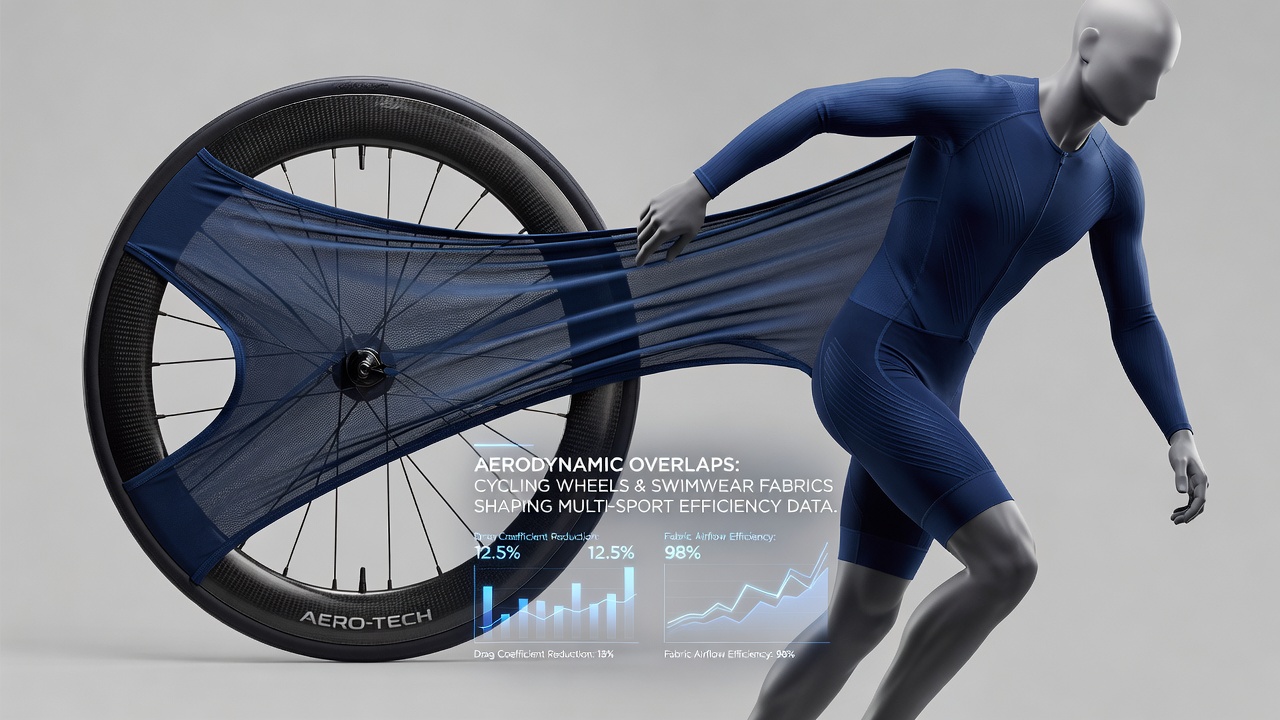
Engineers and sports scientists have long examined how airflow patterns around bicycle wheels mirror the drag reduction strategies embedded in competitive swimwear materials, and these overlaps now feed directly into multi-sport efficiency datasets that track triathletes across disciplines. Research indicates that both cycling wheel rims and swim fabrics employ textured surfaces to control boundary layer separation, which cuts overall resistance during high-speed efforts whether an athlete pedals on open roads or slices through water.
Core Mechanisms in Wheel and Fabric Design
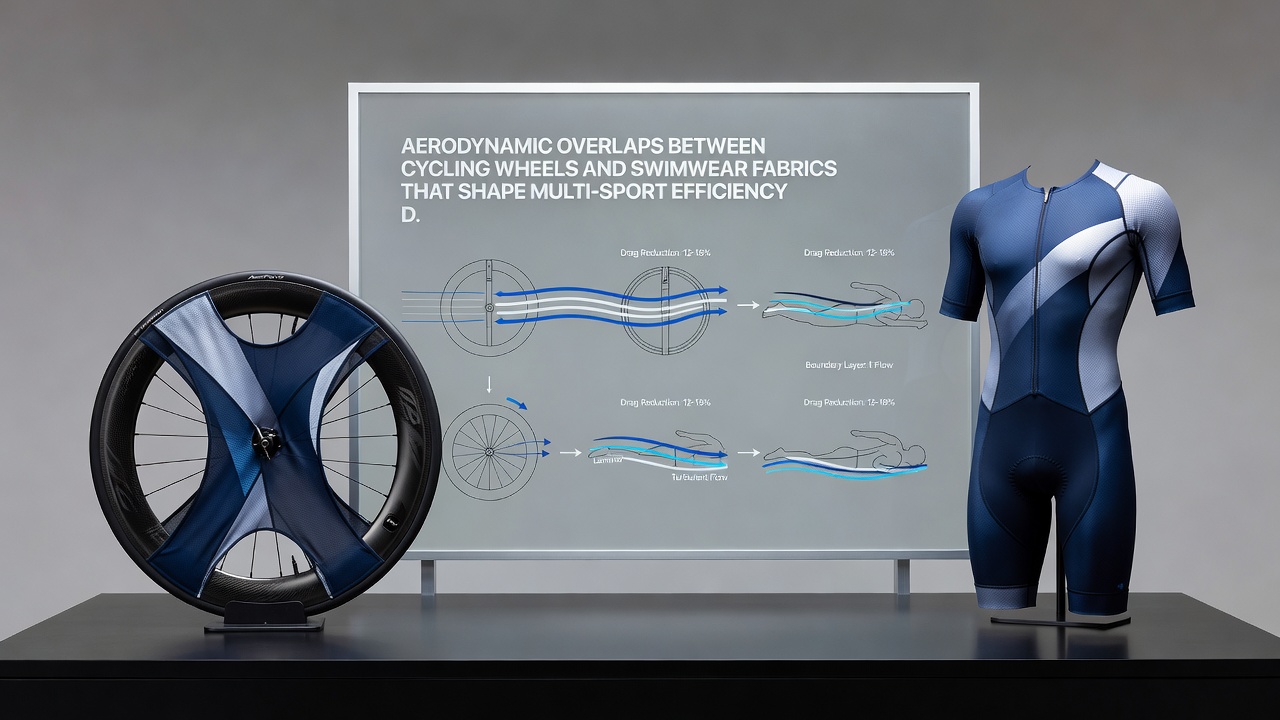
Cycling wheel manufacturers shape carbon fiber rims with dimpled or ridged profiles that stabilize airflow at speeds between 30 and 50 kilometers per hour, while swimwear producers apply similar micro-textures to elastane blends so water flows smoothly over the torso and limbs. Data from wind tunnel tests shows these shared approaches lower drag coefficients by comparable margins, often between 5 and 12 percent depending on velocity and angle of attack. Observers note that triathletes who switch between disciplines benefit when equipment choices align with these overlapping principles, because reduced resistance in one sport carries measurable advantages into the next.
Data Collection Across Training Environments
Performance labs collect efficiency metrics by mounting sensors on both bikes and swimsuits during controlled sessions, then aggregate the results into unified databases that highlight cross-sport patterns. In August 2026 the European Sports Engineering Association released updated figures revealing that athletes using matched aerodynamic profiles in wheels and fabrics recorded average time savings of 42 seconds over a standard Olympic-distance triathlon. These records come from synchronized GPS and pressure sensor arrays that capture real-time drag values, allowing coaches to adjust training loads based on precise correlations rather than isolated sport data.
What's interesting is how surface roughness values converge across materials: wheel rims often feature 0.2 to 0.5 millimeter indentations, while swim fabrics use woven yarns that create equivalent micro-eddies. Studies from the Australian Institute of Sport confirm that athletes who train with both technologies simultaneously improve their overall power-to-drag ratios more quickly than those who focus on single-sport gear alone.
Integration in Multi-Sport Training Programs
Training centers now incorporate these aerodynamic overlaps into periodized plans that alternate bike intervals with swim sets while monitoring cumulative efficiency scores. Researchers at the University of Waterloo found that when wheel and fabric selections follow matched drag profiles, athletes maintain higher average speeds across brick workouts without additional energy expenditure. The datasets also track how environmental factors such as wind speed and water temperature interact with these designs, producing seasonal adjustments that appear in athlete progression logs throughout the year.
Measurement Standards and Equipment Calibration
Standardized testing protocols require both wheel rims and swim fabrics to undergo validation in low-turbulence chambers that replicate race conditions, and governing bodies publish calibration guidelines that reference shared Reynolds number ranges. These procedures ensure that efficiency data remains comparable across continents, allowing national teams to benchmark their athletes against international baselines. Figures reveal that consistent application of these standards correlates with tighter performance clusters in elite age-group categories during championship events.
Future Directions in Cross-Discipline Research
Academic groups continue to refine computational fluid dynamics models that treat cycling wheels and swimwear surfaces as interchangeable variables within the same simulation frameworks. This approach accelerates equipment iteration cycles and feeds new parameters into multi-sport efficiency platforms used by professional squads. The resulting datasets increasingly influence selection criteria for major events, where small aerodynamic gains accumulate across the bike and swim legs to determine final placements.
Conclusion
Shared aerodynamic features between cycling wheels and swimwear fabrics continue to shape the way multi-sport efficiency data gets collected, analyzed, and applied in training environments worldwide. As measurement techniques advance and new material combinations enter production, the documented overlaps provide athletes and coaches with reliable tools for optimizing transitions and overall race outcomes.