Biometric Integration Transforms Yoga Mats and Apparel Through Tracker Connectivity
David Carter · May 23, 2026
Biometric Integration Transforms Yoga Mats and Apparel Through Tracker Connectivity
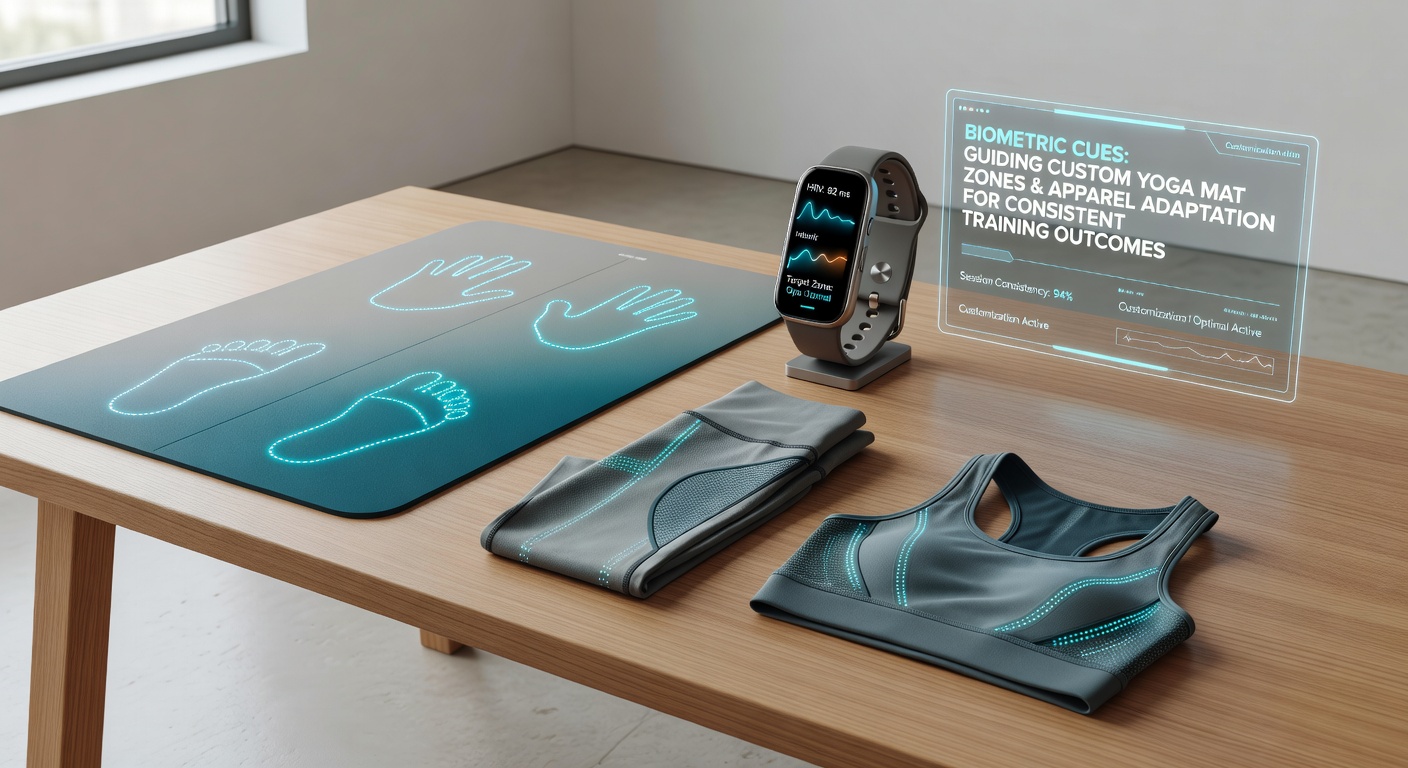
Biometric data from fitness trackers now drives real-time adjustments in yoga mats and gym apparel, creating equipment that responds directly to heart rate variability, movement patterns, and muscle engagement metrics collected during sessions. Researchers at institutions across multiple regions have documented how these integrations allow mats to alter surface tension or thickness zones while apparel modifies compression levels based on signals transmitted from wearable devices, and the approach aims to support repeatable training results by aligning equipment properties with individual physiological responses.
Core Mechanisms of Data-Driven Customization
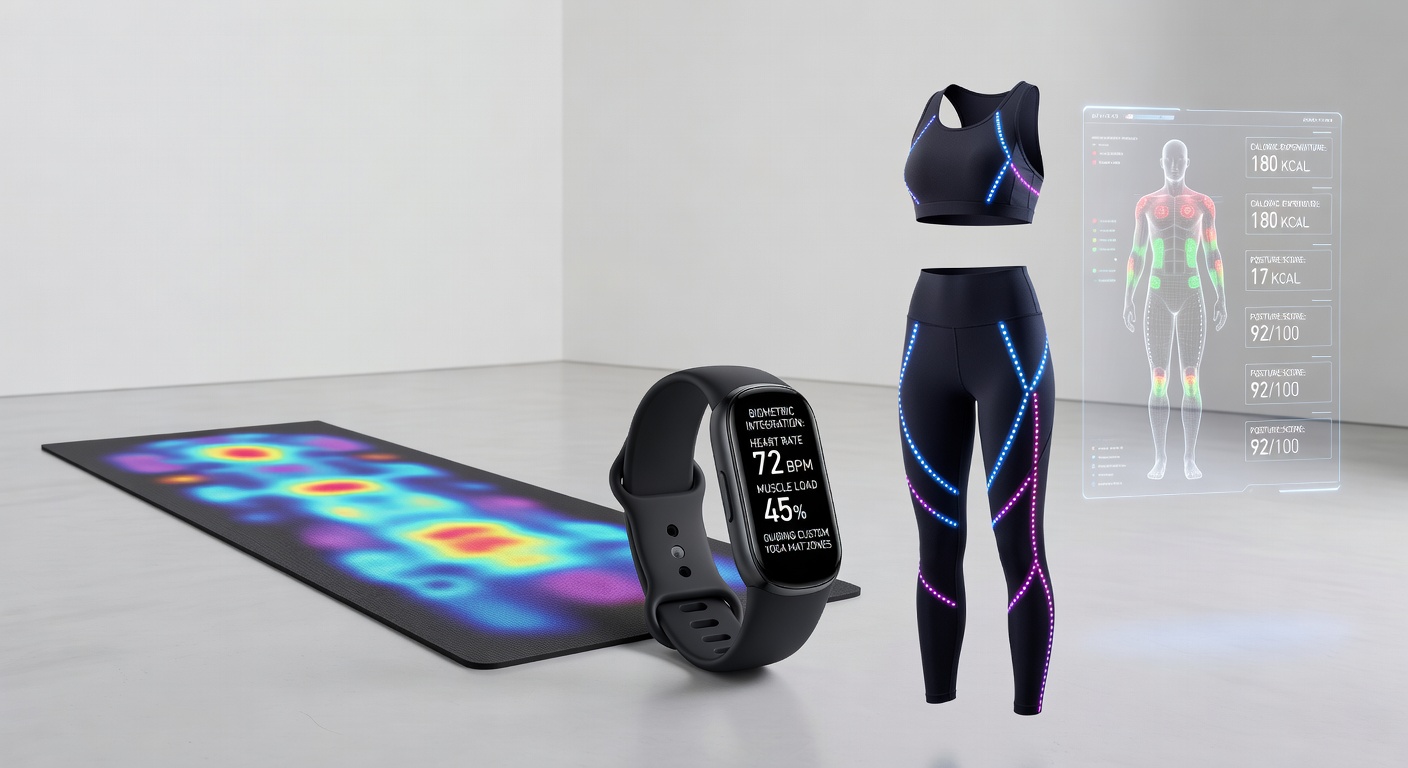
Modern fitness trackers capture variables such as grip force, postural shifts, and recovery indicators through embedded sensors; these readings transmit wirelessly to connected mats and garments equipped with responsive materials like shape-memory polymers or adjustable tension fabrics. Studies from the European Institute of Sport Science indicate that when heart rate exceeds set thresholds during sequences, apparel zones increase localized support while mat sections reduce slip coefficients, and similar protocols operate in reverse during lower-intensity recovery phases to prevent over-correction. Data from Canadian research groups further shows that consistent synchronization between devices leads to measurable alignment in joint angles across repeated workouts, with algorithms processing inputs every few seconds to maintain equipment states matched to current biometric profiles.
Applications in Yoga Mat Technology
Yoga mats incorporating these systems use pressure-mapping layers that stiffen or soften specific areas according to tracker feedback on balance and weight distribution; for instance, a user holding a plank position with detected core instability receives automatic reinforcement under the forearms and knees. Industry reports from Australian sports technology firms note that such mats integrate with popular tracker platforms to log session data alongside customization logs, enabling later review of how equipment changes correlated with performance metrics like hold times or transition smoothness. In May 2026, several manufacturers plan firmware updates that expand compatibility with emerging tracker models featuring enhanced electromyography sensors, allowing even finer control over mat surface dynamics during flows that emphasize transitions between poses.
Customization Features in Gym Apparel
Gym apparel equipped with biometric responsiveness employs stretch sensors and micro-actuators that tighten or release fabric panels when trackers report elevated lactate thresholds or uneven breathing rhythms; this setup supports consistent muscle activation patterns by providing variable resistance that matches exertion levels detected in real time. Observers at North American athletic conferences have recorded cases where integrated tops and leggings adjusted mid-session to stabilize shoulders during repetitive lifts, resulting in reduced deviation from target movement planes across multiple sets. Those who have examined the underlying software note that user profiles stored in tracker apps dictate baseline settings, while live data overrides allow on-the-fly refinements without manual intervention, and this layered approach helps maintain training consistency even as daily biometric readings fluctuate due to fatigue or environmental factors.
Evidence from Multi-Week Training Protocols
Controlled observations conducted by teams at universities in Asia and Europe have tracked participants using integrated systems versus standard equipment over eight-week periods, revealing that the former group maintained steadier heart rate zones and posture metrics with fewer compensatory movements. Figures from these protocols show average improvements in session-to-session repeatability of key indicators, such as range of motion consistency and perceived effort scores, when customization remained active throughout each workout. What's interesting is how the systems handle edge cases like sudden spikes in perspiration or temperature changes, automatically compensating through apparel ventilation adjustments tied to skin conductance readings from the tracker, and this capability extends the window during which users can sustain targeted training intensities without external adjustments.
Broader Industry Developments by Mid-2026
Trade organizations focused on wearable technology have begun outlining standards for secure data exchange between trackers and smart fitness gear, addressing interoperability across brands while prioritizing user-controlled privacy settings. Government health agencies in several countries continue to monitor adoption rates, noting increased interest among recreational athletes seeking tools that reinforce steady progress without requiring constant manual recalibration. One study revealed that when participants followed protocols incorporating these customizations, aggregate data across cohorts pointed to sustained engagement levels over longer training cycles compared with non-integrated setups, although individual outcomes still depend on proper device calibration and consistent usage habits.
Conclusion
Biometric cues routed through fitness trackers continue to shape responsive features in yoga mats and gym apparel, delivering equipment adjustments grounded in physiological signals collected during activity. As integration protocols mature into 2026 and beyond, the emphasis remains on supporting repeatable outcomes through automated alignment of gear properties with real-time user data, and ongoing research from diverse geographic sources will likely refine these connections further without altering the core objective of consistency in training environments.