From Pool to Pavement: How Swimwear and Running Shoe Technologies Converge in Fitness Data Analysis
David Carter · Jun 29, 2026
From Pool to Pavement: How Swimwear and Running Shoe Technologies Converge in Fitness Data Analysis
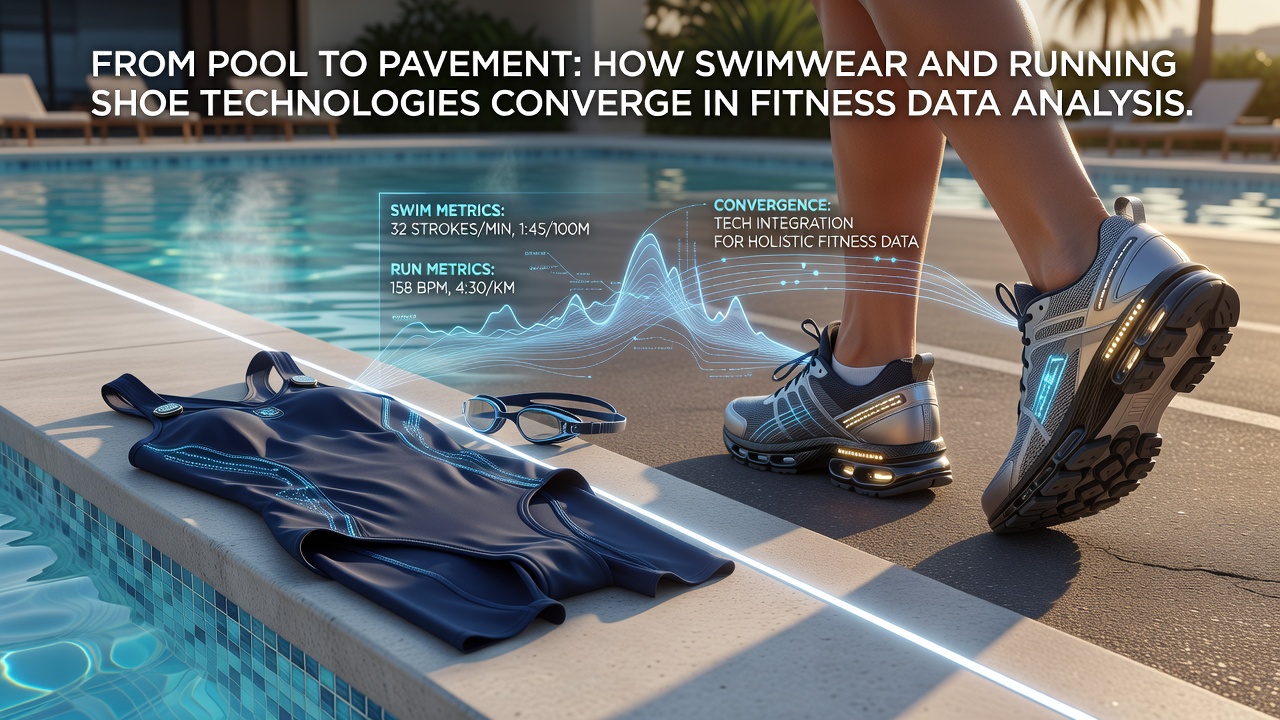
Swimwear designers have incorporated low-drag fabrics with embedded micro-sensors that capture hydrodynamic data during each stroke, while running shoe manufacturers embed force plates and accelerometers directly into midsoles to record ground reaction forces and stride variability. These separate innovations now feed into shared analytics platforms that allow athletes to compare performance metrics across aquatic and terrestrial environments without switching devices or losing continuity in their training logs.
Material Science Foundations
Modern swimwear relies on polyurethane blends and ultrasonic seam construction that reduce water turbulence, and these same principles of surface texture optimization appear in running shoe uppers where laser-cut ventilation zones manage airflow and moisture. Researchers at the University of Queensland documented how drag coefficients measured in swimwear testing correlate with energy expenditure data collected from instrumented running shoes during treadmill sessions that simulate race-pace efforts. The result is a growing dataset where textile engineers adjust compression patterns in both product categories based on unified athlete profiles rather than isolated lab conditions.
Sensor Integration Pathways
Swim caps and racing suits now contain flexible strain gauges that transmit stroke rate and body roll angles through waterproof Bluetooth modules, whereas running shoes use piezoelectric sensors to detect pronation angles and impact loading rates at 1000 Hz sampling frequencies. Software developers have created middleware that normalizes these disparate data streams into common variables such as power output per stroke or per step, enabling triathletes to identify efficiency losses when transitioning from bike to run or swim to bike segments. In June 2026 several manufacturers plan to release firmware updates that standardize data formatting across brands, removing the need for manual file conversions that previously interrupted training analysis workflows.
Cross-Training Data Applications
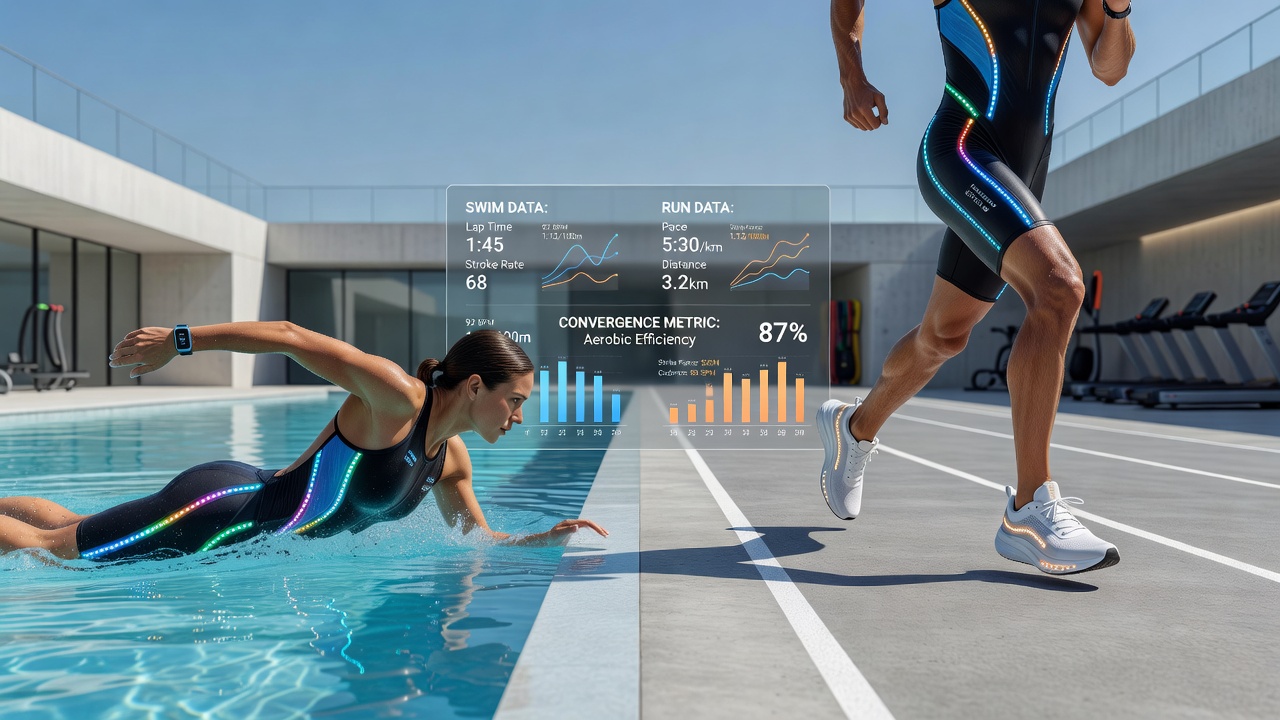
Coaches working with multi-sport athletes upload swim session files alongside daily runs into the same dashboard, where algorithms flag correlations between swim kick power and running cadence stability. One study conducted by the Australian Institute of Sport revealed that swimmers who maintained consistent stroke length metrics also showed reduced vertical oscillation in their running gait when both sets of measurements came from synchronized wearable systems. These insights allow training plans to adjust volume in one discipline based on fatigue indicators captured in another, shortening recovery windows between high-intensity blocks.
Industry Standardization Efforts
Trade organizations including the International Sports Engineering Association have begun drafting protocols for sensor calibration that apply equally to poolside timing systems and trackside force plates. This harmonization reduces discrepancies when athletes move between indoor flumes used for swimwear validation and outdoor tracks instrumented for shoe testing. Data from these aligned sources now supports predictive models that estimate race-day performance across disciplines using a single set of baseline measurements collected during routine training.
Future Developments
Engineers continue to miniaturize components so that swimwear sensors survive repeated chlorine exposure while shoe sensors withstand abrasive surfaces and temperature swings. The convergence accelerates as machine learning models trained on combined datasets identify subtle patterns, such as how reduced drag in a new swimsuit design influences subsequent run economy when athletes complete brick sessions. Observers note that equipment tuning based on these merged metrics already appears in elite programs where marginal gains separate podium finishes from mid-pack results.
Conclusion
The integration of swimwear and running shoe technologies through shared fitness data platforms creates continuous performance tracking that spans pool sessions and road miles. Standardized data formats expected in June 2026 will further streamline this process, allowing broader access to cross-discipline insights previously limited to well-funded programs. As sensor durability and software compatibility improve, athletes gain clearer pictures of how equipment choices in one sport affect outcomes in another without relying on separate analysis tools.