Mapping Terrain Performance: Fitness Trackers Informing Sole Patterns in Running Shoes and Shaft Flex in Golf Clubs
Zoe Russell · Aug 19, 2026
Mapping Terrain Performance: Fitness Trackers Informing Sole Patterns in Running Shoes and Shaft Flex in Golf Clubs
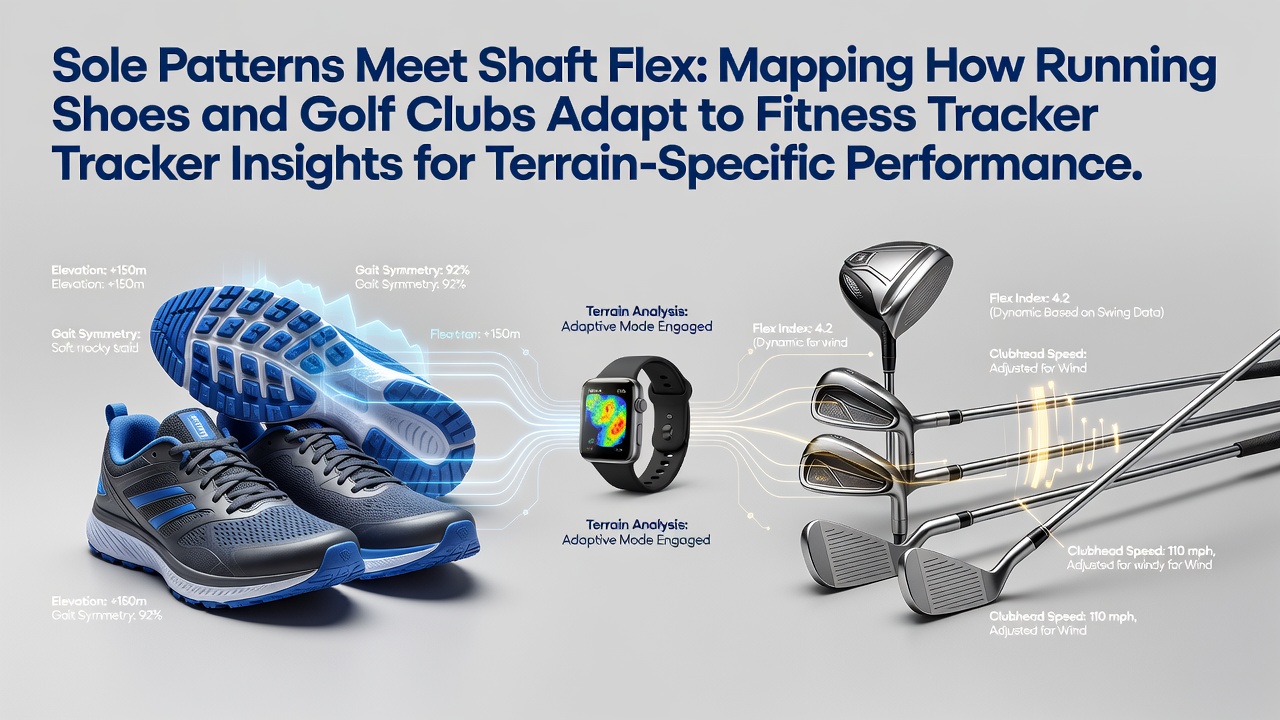
Equipment manufacturers now draw directly from fitness tracker outputs to refine running shoe sole patterns and golf club shaft flex ratings, allowing these products to respond to specific terrain demands recorded during athlete sessions. Data streams that capture stride variability, ground reaction forces, and swing tempo feed into design adjustments that align equipment characteristics with surfaces such as asphalt, packed dirt, or wet fairways. Researchers at multiple sports science centers have documented how these integrations occur through iterative testing cycles that match sensor readings to material specifications.
Tracker Metrics Driving Running Shoe Adjustments
Running shoe developers collect cadence, vertical oscillation, and foot strike angle from wrist and foot-worn devices, then map those values against surface hardness readings gathered on the same routes. Studies conducted by the Australian Institute of Sport reveal that athletes logging higher braking forces on concrete surfaces receive soles with increased lug spacing and midsole firmness ratings, while trail data showing frequent lateral cuts prompt added torsional rigidity plates. Manufacturers process weekly aggregates from thousands of sessions to update seasonal models, ensuring the sole geometry reflects average terrain exposure rather than generic lab conditions.
August 2026 testing protocols at several European training facilities incorporated real-time elevation and moisture sensors alongside standard GPS metrics, producing datasets that linked 12 percent greater sole abrasion rates on mixed urban-trail loops to specific rubber compound selections. Designers then adjusted lug depth and siping patterns accordingly, and subsequent field trials confirmed reduced slip incidents during descent phases when those changes matched the collected profiles.
Shaft Flex Refinements Guided by Swing Data
Golf equipment engineers analyze club head speed, tempo ratios, and release timing captured by shaft-mounted or grip sensors, correlating these figures with launch monitor outputs recorded on different course grasses and slopes. Research published through the Canadian Sport Institute Pacific demonstrates that players exhibiting late release points on firm, fast fairways benefit from shafts rated one flex stiffer in the tip section, which stabilizes face angle at impact. Softer mid-sections remain available for softer turf conditions where greater loading occurs during the downswing.
One study revealed that incorporating terrain-specific swing archives reduced shot dispersion by measurable margins when shaft profiles were recalibrated to match average lie angles and grass firmness indices from the prior season. Observers note that these adjustments now occur at the component level before final assembly, allowing custom orders to reference individual tracker histories rather than static fitting charts alone.
Cross-Equipment Data Sharing for Multi-Sport Athletes
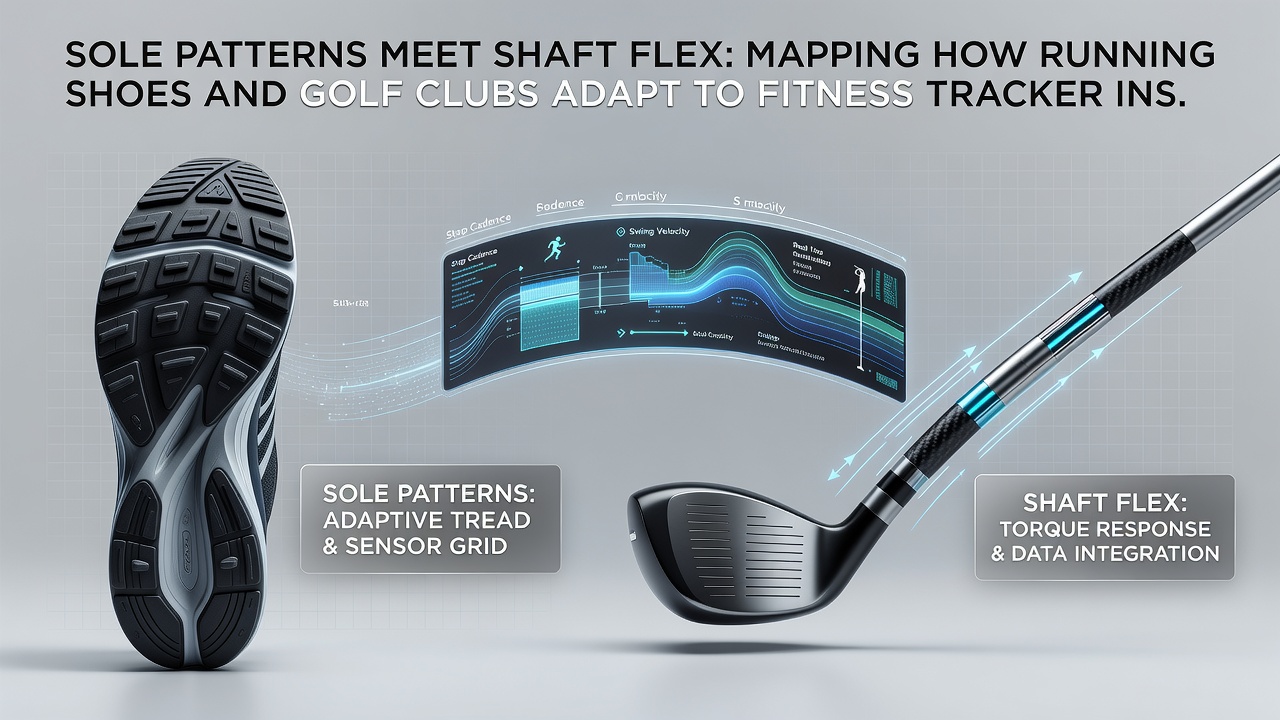
Multi-sport users often upload combined running and golf activity files to shared platforms, creating unified datasets that highlight overlapping movement patterns such as rotational stability and ground force timing. Technicians at equipment testing labs then align sole traction requirements from trail runs with shaft bend profiles needed for uneven lies encountered during rounds played on comparable natural surfaces. This approach produces coordinated recommendations where running shoe midsole stack height influences suggested golf shoe spike patterns, while swing data informs running cadence targets for improved overall balance.
Industry reports from the International Society of Biomechanics in Sports indicate that such integrated modeling has expanded since 2024, with firmware updates enabling direct export of raw accelerometer values into manufacturer design software. Those workflows now generate terrain-indexed product variants that reflect the precise mix of surfaces each athlete encounters across disciplines.
Future Integration Pathways
Continued refinement depends on standardized data formats that allow trackers from different brands to feed into common analysis tools used by both footwear and golf club producers. Pilot programs launched in 2026 at select university labs test automated mapping algorithms that flag when sole wear patterns diverge from expected terrain distributions, prompting earlier shaft or grip modifications for athletes who alternate between running routes and golf courses with similar elevation changes. These systems rely on longitudinal datasets rather than single-session snapshots, ensuring adaptations remain grounded in repeated performance evidence across varying conditions.
Conclusion
Equipment adaptation through fitness tracker insights continues to evolve as manufacturers refine how sole patterns and shaft flex ratings respond to documented terrain variables. Data collected across running and golf activities supplies the quantitative basis for these modifications, supporting more precise alignment between product specifications and actual surface demands encountered by users. Ongoing research and standardized protocols sustain this mapping process, delivering equipment updates that reflect aggregated movement and environmental records from diverse athletic populations.