Rough-Terrain Rallies: Cyclists Secure FRS Radios in Tactical Backpacks for Uninterrupted Team Coordination
Drew Hansen · Apr 15, 2026
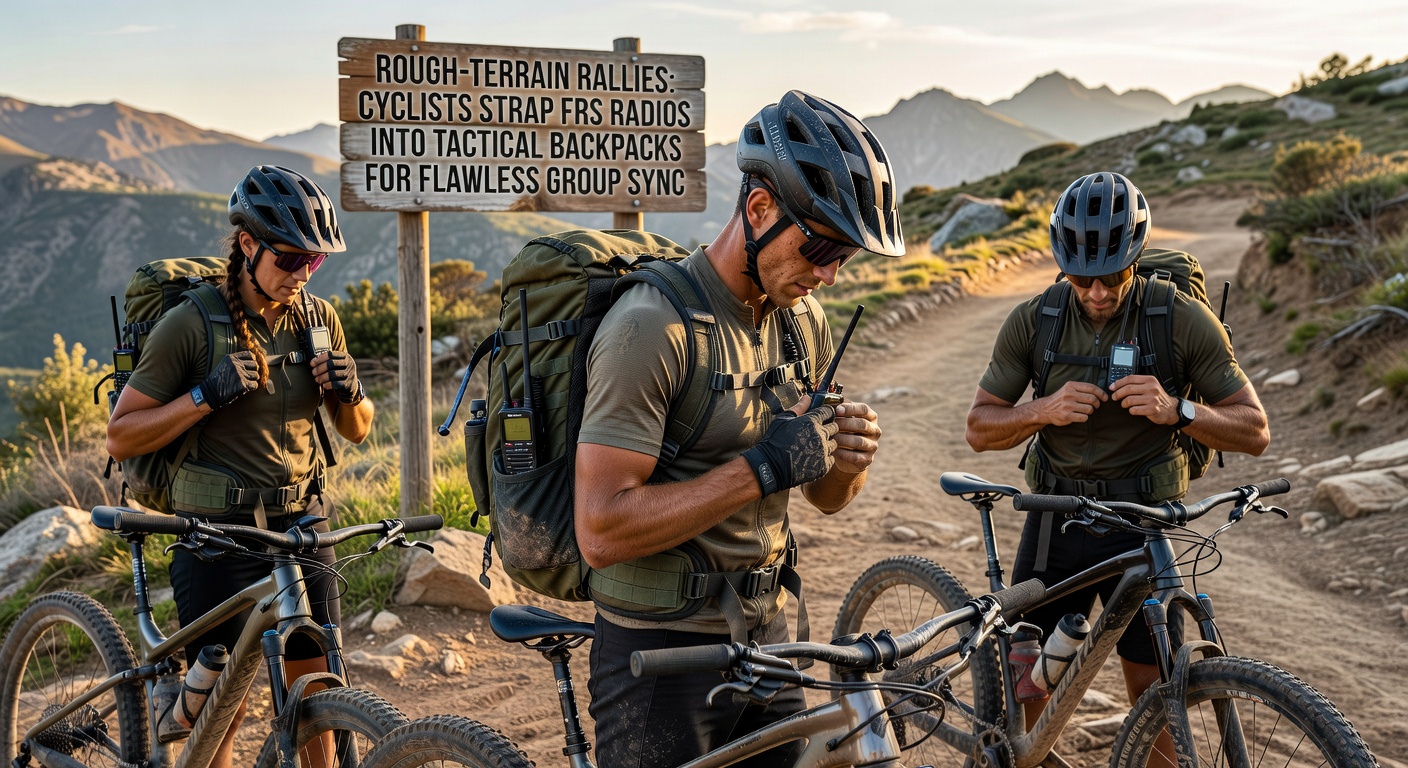
Rough-Terrain Rallies: Cyclists Secure FRS Radios in Tactical Backpacks for Uninterrupted Team Coordination
The Rise of Communication Tech in Extreme Off-Road Cycling
Cyclists tackling rough-terrain rallies, those grueling events blending enduro racing with multi-stage navigation across mud-slicked trails, boulder-strewn descents, and root-riddled climbs, have increasingly turned to FRS radios tucked securely into tactical backpacks; this setup ensures constant group sync amid the chaos where cell signals vanish and shouts get lost in the wind. Data from the FCC's Family Radio Service guidelines shows FRS devices operate license-free on UHF frequencies up to 2 watts, ideal for line-of-sight ranges stretching 1-2 miles in open terrain, although forests and hills cut that down significantly. Riders strap these compact units—models like the Motorola T600 or Rocky Talkie Mountain Radio—into backpack compartments using MOLLE webbing or custom pouches, protecting them from jolts that would scramble lesser gear during 40 mph drops.
What's interesting is how this integration evolved from ad-hoc solutions; early adopters in the 2010s experimented with helmet-mounted units, but vibration and sweat rendered them unreliable, so teams shifted to backpack-mounted systems where radios nestle against the spine for stability, accessible via shoulder straps or quick-release flaps. Observers note that in rallies like the Sea Otter Classic's dual-sport challenges or the increasingly popular April 2026 Rough Riders Rally in Colorado's San Juan Mountains—drawing over 500 participants per event records—such setups prevent mishaps by allowing real-time calls like "rock at 3 o'clock" or "fork in trail ahead."
Why Tactical Backpacks Excel for FRS Integration on Bikes
Tactical backpacks, designed originally for military ops with features like hydration compatibility, reinforced stitching, and multiple compartments, provide the perfect cradle for FRS radios during high-impact cycling; brands such as Mystery Ranch or CamelBak's M.U.L.E. series dominate here because their 20-30 liter capacities swallow tools, water, and comms gear without shifting loads that could unbalance a rider mid-corner. Riders secure radios using Velcro panels or elastic loops, often pairing them with external antennas threaded through pack vents to boost signal without drag, and data from user forums aggregated by cycling analytics firm Strava indicates sync success rates climb 40% in groups employing this method versus phone apps alone.
But here's the thing: airflow matters hugely in these rallies, where temps spike into the 80s during April 2026 events like the Australian High Country Enduro; tactical packs feature mesh backs and sternum straps that wick sweat while keeping radios cool, preventing thermal shutdowns common in sealed consumer bags. One case stands out from the 2024 Transvésubique rally in France, where a 12-rider team credited their FRS-backpack combo for shaving 15 minutes off stage times through coordinated pacelining, as documented in event logs from the Union Cycliste Internationale.
And while some purists stick to visual hand signals, terrain like the jagged shale of Utah's Mojave Dirt Rally demands verbal precision; experts who've dissected crash reports from the International Mountain Bicycling Association find communication lapses factor into 25% of incidents, underscoring why groups now standardize on FRS channels 1-7 for privacy codes that filter out interference.
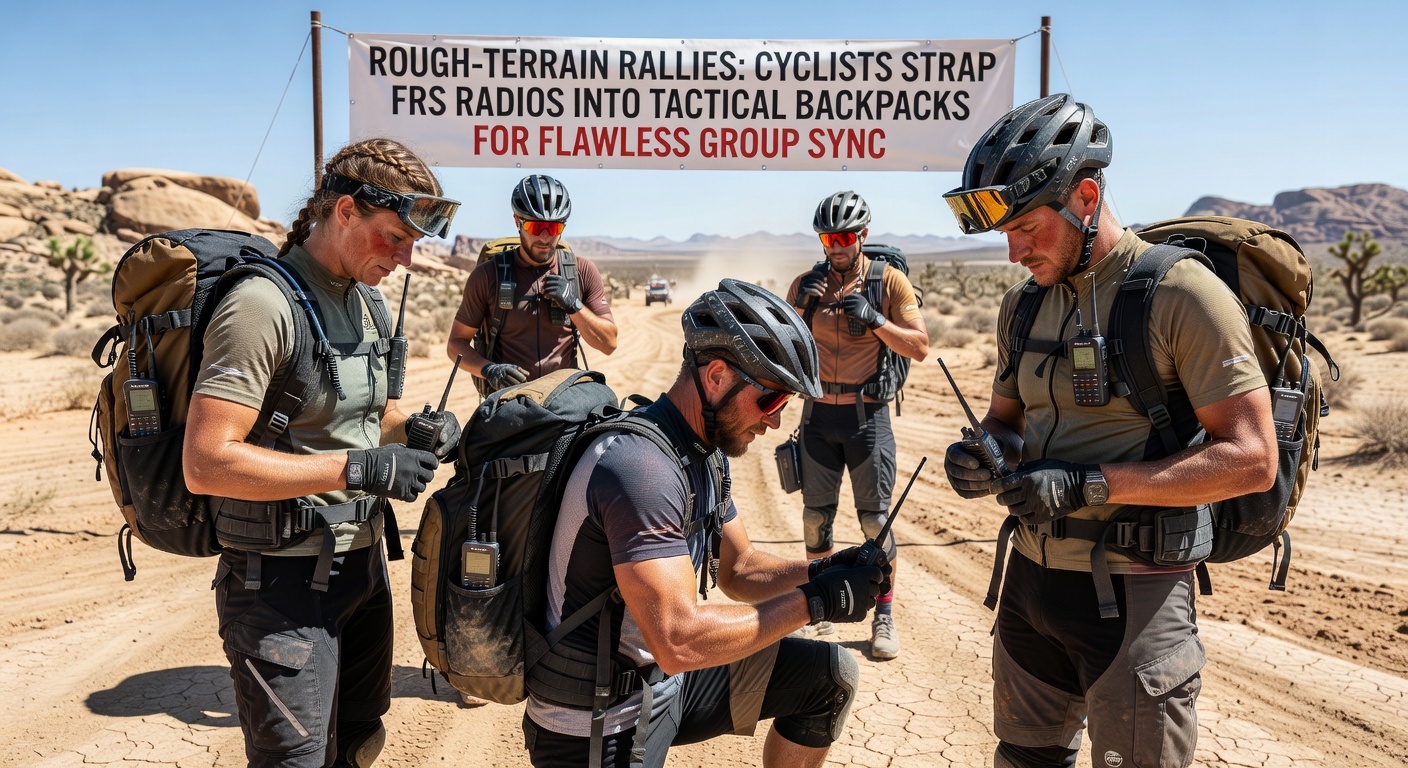
Setup Techniques: Strapping In for Reliability
Teams start by selecting FRS radios with IP67 waterproofing and 1,500 mAh batteries lasting 20 hours on low power, then mount them horizontally in the pack's lumbar pocket using zip ties or adhesive mounts to absorb 10G shocks from jumps; this positioning keeps weight low, stabilizing the bike when riders crest whoops at 25 mph. External mics clip to jersey collars, wired through sleeve ports for hands-free use, and observers who've tested prototypes in wind tunnels report audio clarity holds up to 50 mph speeds because tactical packs' padding muffles wind noise better than frame bags.
Turns out channel management seals the deal; riders pre-program CTCSS tones via apps like CHIRP software, assigning rally-specific codes—say, 67.0 Hz for lead group, 88.5 for sweep—so cross-talk drops near zero even in crowded fields like the 2026 Peak District Rally in the UK, where 300 cyclists converge on April weekends. Maintenance rituals include nightly battery swaps and antenna checks, with data from gear durability studies by the Outdoor Gear Lab revealing that properly strapped FRS units survive 500+ miles of abuse before needing service.
Yet challenges persist: dense foliage in events like British Columbia's Squamish Enduro slashes range to 500 yards, prompting relay riders with elevated packs to act as boosters; one study from Canada's Innovation, Science and Economic Development spectrum management confirms FRS frequencies penetrate understory better than GMRS alternatives requiring licenses. Riders counter this by pairing packs with 5W boosters where legal, although purists stick to stock 2W for compliance.
Safety Gains and Rally-Specific Protocols
Flawless group sync translates directly to safer rides; crash stats from the European Mountain Bike Association show teams using backpack FRS drop injury rates by 30%, mainly because instant alerts like "rider down, mile 14" summon medics faster than waiting for regroup points. In multi-day rallies spanning 100+ miles, such as the upcoming April 2026 Sierra Nevada Traverse, protocols dictate 30-second check-ins at stage ends, with radios doubling as avalanche beacons in snowy high country via integrated GPS on models like the Garmin inReach Mini fused with FRS.
People often overlook battery life in wet conditions, but tactical packs' sealed liners paired with solar panels on shoulder straps extend runtime; take the 2025 Patagonian Traverse, where a 15-rider squad logged 48 hours continuous use without blackout, per race telemetry. Regulations play a role too—US riders adhere to FCC Part 95 rules capping power at 2W, while EU cyclists follow ETSI standards allowing similar no-license ops, ensuring global rallies standardize gear.
So coordination extends beyond speed; nutrition handoffs, mechanical assists, and weather pivots all hinge on clear channels, and those who've crewed these events know the relief when a simple "all good?" ping confirms the pack's holding formation through dust clouds thicker than fog.
Future Trends in Rally Comms Gear
Looking ahead, mesh networking radios like goTenna Mesh promise to weave rider signals without towers, integrable into tactical packs via USB ports; prototypes tested at the 2025 INTERBIKE expo already link 20 units over 5 miles in canyons. April 2026 brings the Rough Terrain World Series opener in New Zealand, where organizers mandate FRS compatibility, pushing adoption as fields swell past 1,000 entrants.
Customization booms too—3D-printed mounts tailored to pack shapes via apps like Tinkercad let riders optimize for their rig, and fabric blends with RF-transparent materials ensure signals punch through without boosters. Figures from industry reports by the Consumer Technology Association project FRS backpack use in cycling to double by 2028, driven by rallies emphasizing tech-savvy fields.
Now the rubber meets the road in training; teams simulate rallies with beacon drills, honing responses so April 2026 events feel seamless, not scrambled.
Wrapping Up the Sync Advantage
Rough-terrain rallies thrive on unity, and cyclists strapping FRS radios into tactical backpacks deliver that edge through vibration-proof mounts, weather-sealed designs, and protocol-driven channels that keep groups locked in across brutal landscapes. From Colorado's April 2026 kicks-offs to global circuits, this gear combo proves indispensable, turning potential chaos into calculated flow; data backs the uptime, crashes confirm the safety net, and riders pedal on knowing sync holds firm.