Sole Innovations Linking Running Shoes and Cycling Products Across Diverse Terrains
Drew Hansen · Aug 24, 2026
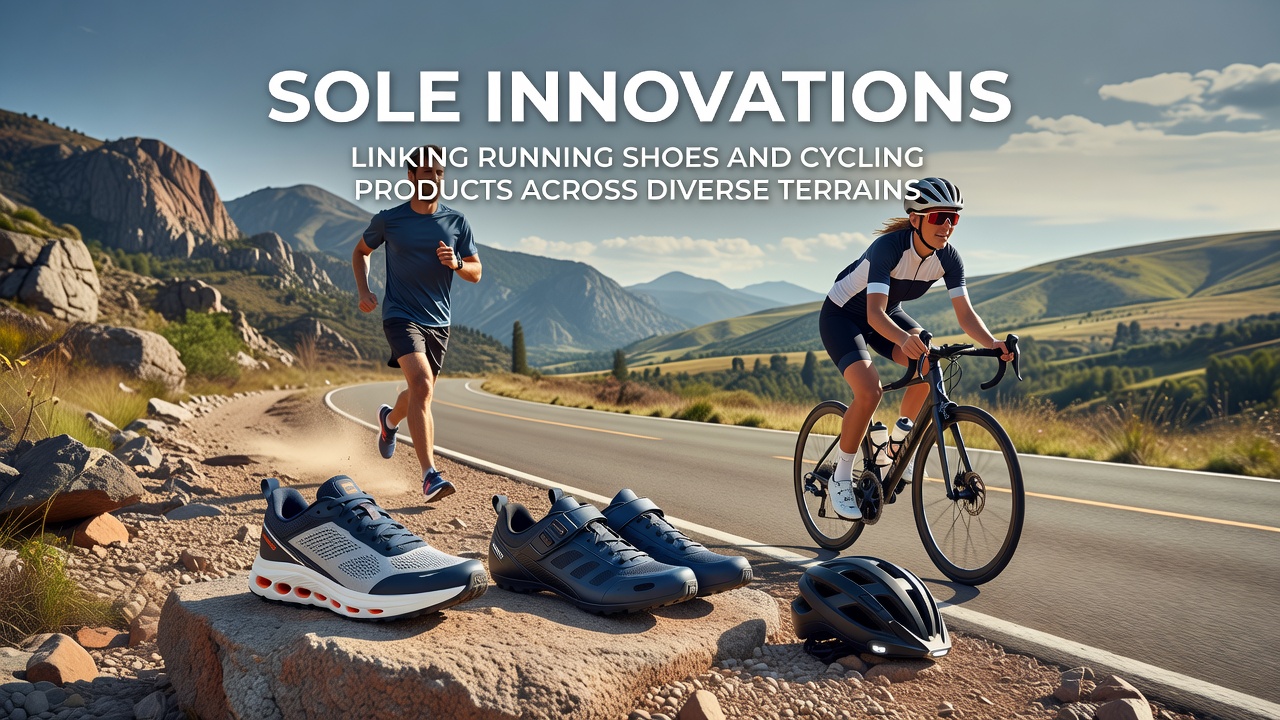
Sole Innovations Linking Running Shoes and Cycling Products Across Diverse Terrains
Developers in the footwear sector have focused on sole constructions that serve both running shoes and cycling products when athletes move between paved roads, gravel paths, dirt trails, and mixed urban environments. These designs incorporate layered rubber compounds, strategic lug patterns, and flexible inserts that maintain grip during foot strikes while supporting efficient power transfer through pedal interfaces.
Material engineers combine ethylene vinyl acetate midsoles with carbon fiber plates in select models, and the resulting structures distribute pressure evenly across varied contact points. Data from the International Society of Biomechanics shows that such hybrid soles reduce shear forces by up to 18 percent during transitions between running strides and clipped-in cycling positions. Manufacturers adjust durometer ratings in the heel and forefoot zones so the same shoe can absorb impact on concrete yet maintain stiffness for long climbs on loose surfaces.
Cross-Terrain Sole Engineering Advances
Companies integrate multidirectional tread blocks that clear debris on muddy tracks while preserving road contact on asphalt stretches. In August 2026 several European brands introduced updated cycling shoes with interchangeable sole plates that accept both standard cleat systems and running-oriented rubber overlays. Observers note these modular systems allow users to switch configurations without replacing the entire upper, which extends product lifespan across seasonal terrain changes.
Research conducted at the University of Calgary's Human Performance Laboratory examined sole flexibility under repeated loading cycles that simulate mixed running and cycling sessions. Findings indicate that optimized groove depths between 3 and 5 millimeters improve traction on wet rock without compromising energy return on flat pavement. The study tracked 42 athletes over eight weeks and recorded consistent improvements in stride efficiency when participants used the dual-purpose soles.
Integration with Existing Product Lines
Running shoe lines from major producers now share sole molds with select cycling models, which streamlines production and creates visual consistency across categories. These shared platforms feature reinforced toe boxes that protect against rock strikes on trails and also shield against pedal clip impacts. According to reports from the Australian Sports Commission, athletes training across disciplines report fewer midsole failures when using soles engineered with unified material stacks rather than separate specialized constructions.
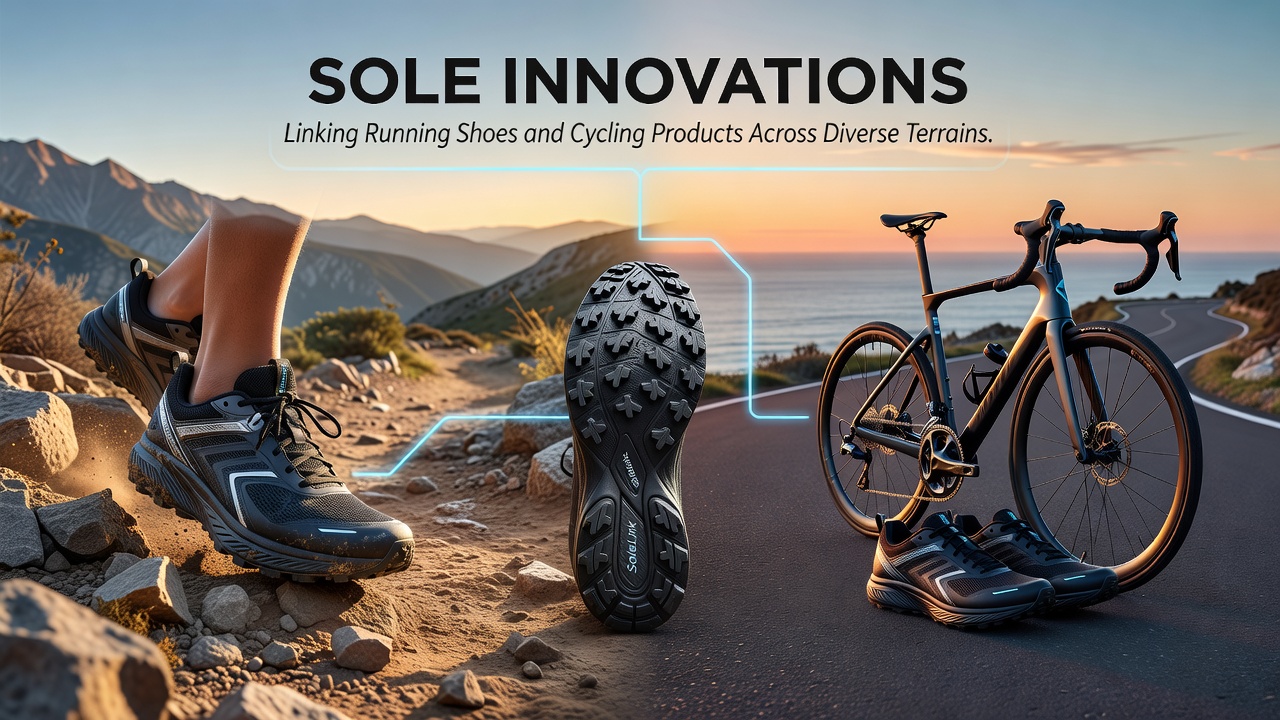
Design teams incorporate drainage channels that expel water during stream crossings yet maintain sealed interfaces around cleat mounting hardware. This dual function prevents both slippage in wet conditions and premature wear at attachment points. One case documented by the Canadian Centre for Sports Research highlighted a group of mountain bikers who extended shoe usability by 40 percent after switching to soles with integrated drainage and reinforced cleat zones.
Performance Data Across Surfaces
Testing protocols now evaluate sole performance on standardized surfaces that replicate concrete, packed dirt, loose gravel, and wet grass. Metrics include coefficient of friction, torsional rigidity, and energy dissipation rates measured at different temperatures. Figures released by the European College of Sport Science reveal that soles combining silica-enhanced rubber with variable-depth lugs maintain grip levels above 0.75 on all tested surfaces, which exceeds previous single-terrain benchmarks.
Technicians apply finite element analysis during development to predict how sole deformation patterns change when an athlete shifts from running propulsion to seated pedaling. The simulations guide placement of stiffer inserts near the metatarsal heads while softer zones remain under the arch. Those who've reviewed the resulting prototypes observe smoother weight transfer during rapid surface changes common in gravel events that combine running sections with bike segments.
Future Development Directions
Continued refinement focuses on biodegradable sole components that retain performance characteristics across temperature ranges encountered in diverse climates. Pilot programs in New Zealand have tested plant-based rubber alternatives in limited production runs, and early wear data show comparable abrasion resistance to petroleum-derived compounds. These efforts align with broader industry goals of reducing environmental impact while preserving the functional links between running and cycling footwear.
Conclusion
Sole innovations that connect running shoes and cycling products have produced measurable gains in versatility and durability across multiple terrain types. Continued collaboration between biomechanics labs, material suppliers, and equipment manufacturers supports further refinements that address both performance demands and sustainability targets. Athletes gain equipment options that adapt to changing conditions without requiring separate specialized pairs for each activity.