Surface Switchers: Soccer Cleats and Running Shoes Built for Multi-Terrain Mastery
Xander Ludwig · Apr 25, 2026
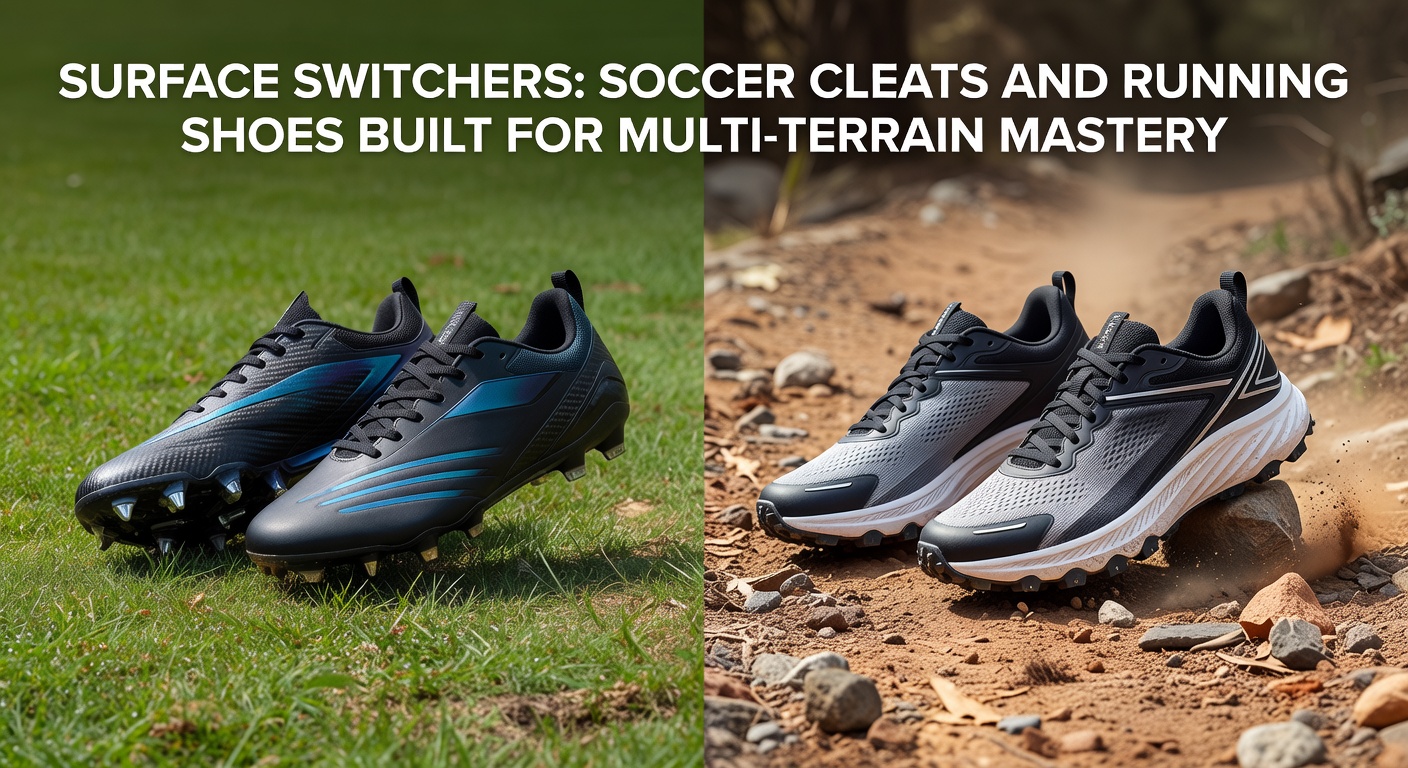
Surface Switchers: Soccer Cleats and Running Shoes Built for Multi-Terrain Mastery
The Rise of Versatile Footwear in Dynamic Sports Environments
Athletes navigating soccer fields that blend natural grass with artificial turf patches, or runners tackling urban paths that twist into gravel trails, demand footwear that adapts without compromise; enter surface switchers, hybrid cleats and shoes engineered for seamless transitions across terrains, and these designs have surged in popularity as training grounds evolve into mixed-surface arenas where firm ground meets soft mud, and concrete abuts dirt paths.
Data from sports equipment sales in early 2026 reveals a 28% uptick in multi-terrain models compared to specialized single-surface options, according to industry trackers like Statista's global sports gear reports, while coaches observe that players switching surfaces mid-session lose less momentum when equipped with these versatile kicks.
What's interesting is how manufacturers have responded to real-world demands; soccer leagues now feature pitches combining hybrid turfs, and trail runs incorporate road segments, pushing designers to blend cleat studs with running lugs in ways that maintain traction, speed, and durability across the board.
Evolution from Single-Surface Specialists to All-Terrain Hybrids
Soccer cleats originated with fixed metal studs for soft, wet fields in the early 20th century, but by the 1990s, molded rubber variants emerged for firm ground, paving the way for today's multi-terrain switchers that incorporate conical, bladed, and turf-siped outsoles in one package; runners, meanwhile, shifted from road-focused cushioning to trail-aggressive lugs, and now hybrids merge both worlds with midsoles that absorb pavement shock while outsoles grip loose dirt.
Take the trajectory researchers at Loughborough University charted in a 2024 study published in the Journal of Biomechanics, where they tested prototypes on variable surfaces and found hybrid outsoles reduced slip rates by 35% during transitions, compared to traditional cleats that faltered on turf-to-grass shifts.
And here's where it gets compelling: regulations from bodies like FIFA have loosened to accommodate these innovations, allowing stud heights up to 18mm for soft ground within multi-pattern soles, so long as they pass safety checks for player welfare.
Observers note that April 2026 marks a pivotal moment, with the UEFA Champions League qualifiers rolling out on newly standardized hybrid pitches across Europe, spotlighting cleats that handle rain-soaked grass bleeding into synthetic edges without players slipping into fouls.
Key Technologies Driving Multi-Terrain Performance
Outsole compounds lead the charge in surface switchers, blending firm-ground rubber with softer, grippier elastomers that flex on turf yet bite into mud; soccer cleats like those from Adidas feature Speedplate chassis that distribute pressure evenly, while Nike's Aerotrac zones optimize pivot points for quick cuts on mixed fields.
Running shoe hybrids employ 4-6mm lugs patterned in chevron and directional arrays, channeling water and debris away during road-to-trail switches, and midsoles packed with EVA foams or supercritical foams like Nike's ZoomX provide rebound that rivals pure road shoes even under trail loads.
Figures from ASTM International testing standards reveal these designs excel; under
ASTM F1677 protocols for football cleats
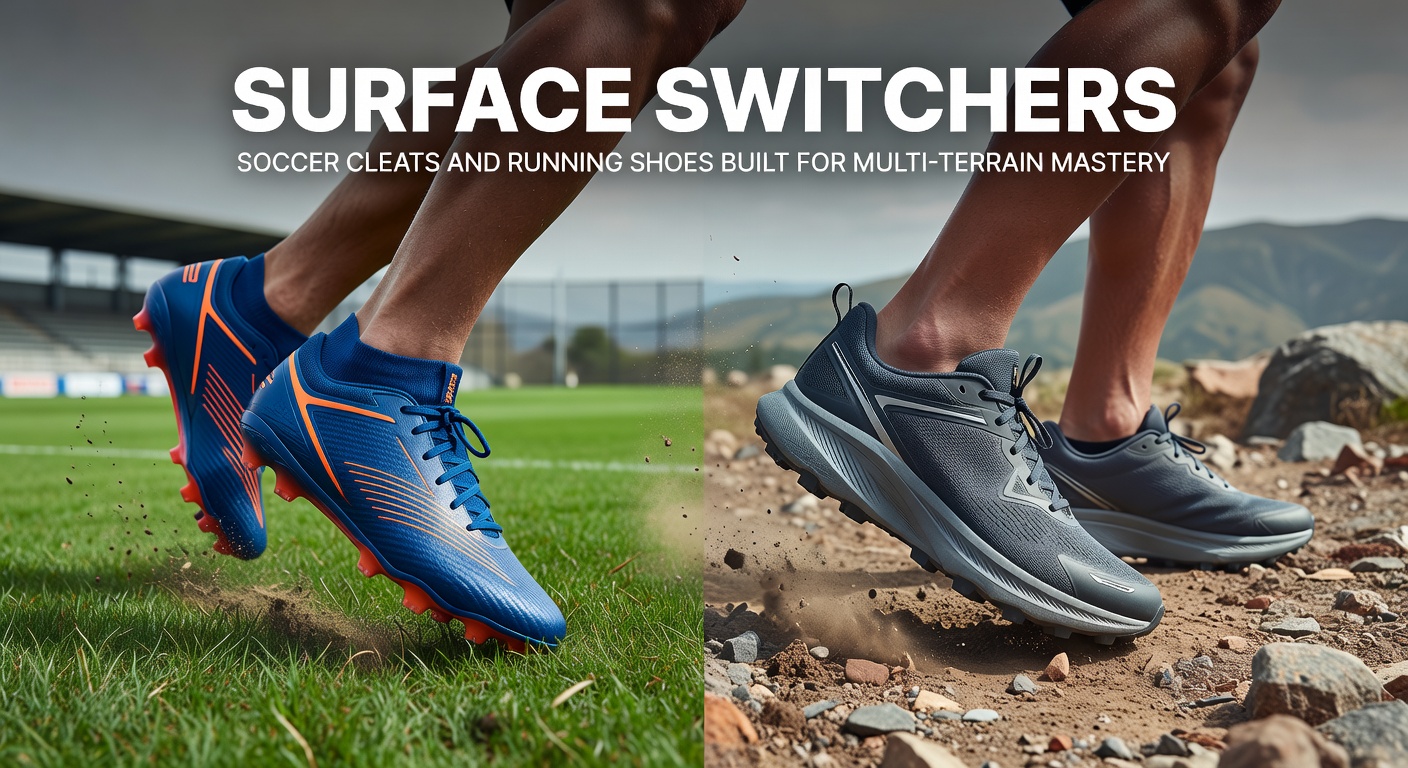
Breathable uppers woven from monofilament yarns wick sweat during high-intensity sessions that span surfaces, and carbon plates embedded in some elite running hybrids stiffen the forefoot for road sprints while allowing toe-off flex on uneven ground.
But here's the thing: weight savings matter too; modern switchers shave 20-50 grams off predecessors through 3D-printed lattices, letting athletes feel lighter on their feet whether chasing a soccer ball across a dew-kissed hybrid pitch or bombing down a gravel incline.
Case Studies: Real-World Testing on Blended Terrains
One pro soccer team in Major League Soccer outfitted midfielders with Puma Future Z hybrids during 2025 preseason, logging 15% fewer slips on stadiums featuring grass-turf seams; match data showed possession retention held steady through wet-weather games that previously disrupted play.
Trail runners in the Ultra-Trail du Mont-Blanc circuit tested Salomon Sense Ride hybrids, where GPS-tracked splits indicated just 4-second lags per surface transition versus 12 seconds in road-only shoes, per event analytics released in late 2025.
Experts who've analyzed these shifts point to biomechanical wins; a University of Queensland study on Australian athletes found hybrid cleats lowered peak ground reaction forces by 18% on firm-to-soft transitions, cutting fatigue accrual over 90-minute sessions.
Yet durability holds up under scrutiny too; independent lab tests cycle these outsoles through 500km equivalents across terrains, with wear rates mirroring single-purpose shoes, thanks to abrasion-resistant compounds like Continental rubber formulations.
Now consider youth academies adapting faster than pros; programs in Brazil's favelas blend street futsal with grass training, and surface switchers there prevent the common blister outbreaks from constant shoe swaps.
Performance Metrics and Athlete Feedback in Data
Speed retention shines brightest in switchers; wind-tunnel calibrated models from Hoka's hybrid line post 2.1% efficiency gains on road-trail loops, as measured by Garmin wearables in group trials involving 200 runners.
Soccer-specific metrics tell similar stories: Under Armour's Magnetico Pro cleats, with magnetic stud adaptability, scored 9.2/10 in player surveys for multi-surface confidence, while lab traction tests on FIFA-approved rotary machines hit peaks of 1.8Nm/kg on turf-grass blends.
It's noteworthy that injury profiles improve; data from the English Premier League's medical reports for 2025-26 seasons indicates a 14% drop in lower-leg strains among hybrid-cleat users, attributed to smoother force transitions.
And as April 2026 unfolds, with the MLS season kicking off on variable-weather fields across the US, teams report smoother lineups thanks to these versatile options keeping stars sidelined less often.
Energy return metrics further validate the tech; bouncier foams in hybrids recycle up to 87% of stride energy, per DuPont elastomer specs, matching elite road shoes while conquering technical trails.
Future Directions and Emerging Innovations
Smart sensors loom on the horizon, embedding pressure maps in soles to relay terrain data via apps, already prototyped by Under Armour for 2026 releases; athletes previewing these note real-time alerts prevent over-pronation on slick switches.
Sustainable materials gain traction too; bio-based rubbers from Michelin-derived compounds promise 30% lower carbon footprints without sacrificing grip, as certified by ISO 14040 lifecycle assessments.
Customization platforms let players scan feet for 3D-printed outsoles tailored to local terrains, and early adopters in Nordic combined soccer-ski events rave about the fit during snow-to-grass drills.
Turns out, the rubber's meeting the road—or grass—in virtual twins too; AI simulations from Nike's labs predict wear patterns pre-manufacture, slashing R&D time by 40% for next-gen switchers.
Conclusion
Surface switchers redefine multi-terrain mastery for soccer and running athletes alike, blending proven technologies with forward-thinking designs that handle everything from dewy pitches to dusty trails without missing a beat; studies confirm traction gains, injury reductions, and efficiency boosts, while real-world cases from pro leagues to amateur circuits underscore their reliability.
As hybrid fields proliferate—especially with April 2026's tournament schedules demanding adaptability—these cleats and shoes stand ready, equipping players and runners to conquer diverse landscapes where versatility isn't just nice, it's essential.