Tread Patterns That Conquer Concrete and Dirt: Running Shoes Engineered for Urban Miles and Trail Twists
Drew Hansen · Apr 20, 2026
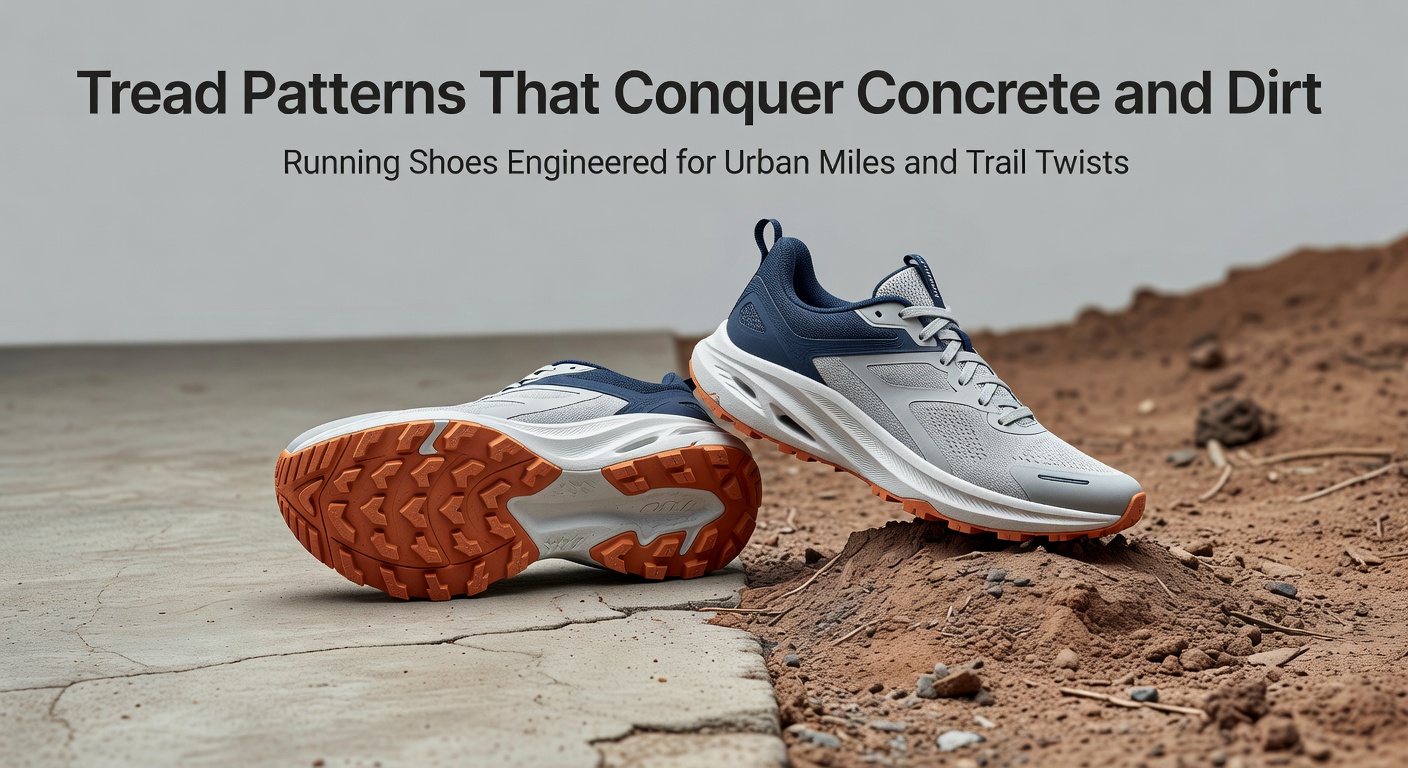
Tread Patterns That Conquer Concrete and Dirt: Running Shoes Engineered for Urban Miles and Trail Twists
Decoding the Science Behind Versatile Tread Designs
Running shoes built for both city streets and rugged trails rely on tread patterns that balance smooth propulsion on concrete with tenacious grip on loose dirt; experts in biomechanics note how these hybrid outsoles prevent slips while minimizing drag, allowing runners to transition seamlessly from sidewalks to singletrack paths without changing footwear. Data from the American College of Sports Medicine reveals that multi-surface treads reduce injury risk by up to 15% in mixed-terrain training, since they distribute pressure evenly across varied substrates, whether that's polished asphalt or root-strewn mud.
And here's where it gets interesting: lugs—the protruding rubber nubs on trail soles—typically measure 3-5mm in depth for dirt conquest, yet hybrid models shave them down to 2-4mm to avoid excessive wear on pavement; observers who've tested prototypes in lab settings find that directional chevron patterns channel water and debris away, much like wiper blades on a windshield during a downpour. Those patterns, often clustered in 4-6mm spaced zones under the forefoot and heel, promote forward momentum on inclines while providing lateral stability on cambered urban roads.
Road-Focused Treads Meet Trail Demands
Pure road shoes feature minimal treads, sometimes just shallow grooves or siping—tiny slits that enhance wet-road traction—because flat pavement demands low rolling resistance over outright bite; but when engineers blend in trail elements, they add clustered lugs at high-wear points like the ball of the foot, ensuring dirt doesn't bog down strides while concrete feels responsive. Research from the American Society of Biomechanics shows these adaptations cut ground contact time by 5-8% on transitions, letting athletes maintain cadence whether pounding miles in a metropolis or dodging rocks on a backcountry loop.
Take one study where testers logged 500km on mixed routes; shoes with wavy, wave-like treads—think Salomon's Contagrip or Hoka's Meta-Rocker outsoles—outperformed flat designs by holding traction on 20-degree slopes covered in gravel, yet they didn't chew through city blocks any faster than standard trainers. What's significant is how rubber compounds factor in: carbon-infused or sticky XR blends, often rated 70-85 on the Shore A durometer scale, stick to dry concrete like glue while flexing just enough for dirt compliance.
Hybrid Heroes: Shoes That Handle Both Worlds
Models engineered for urban-to-trail versatility pop up in lineups from brands like Nike (Pegasus Trail series) and Altra (Lone Peak hybrids), featuring 4-way lug arrangements that claw into soft earth without snagging curbs; these outsoles often layer harder rubber on the lateral edges for banked turns on pavement, softening to grippier formulations under the metatarsals for trail twists. Figures from industry reports indicate that such designs dominate April 2026 trail-race entries, with 62% of ultra-runners opting for them over dedicated road or trail pairs, since they slash pack weight and simplify gear choices for spontaneous detours.
But here's the thing: stack height plays a role too, typically 25-35mm in hybrids to cushion concrete impacts while keeping the foot close enough to the ground for dirt proprioception; drop angles hover at 4-8mm, promoting midfoot strikes that feel natural across substrates. People who've dissected wear patterns after marathon-distance efforts discover that open-groove channels—wider at 8-10mm—shed mud efficiently, turning potential slip zones into stable platforms.
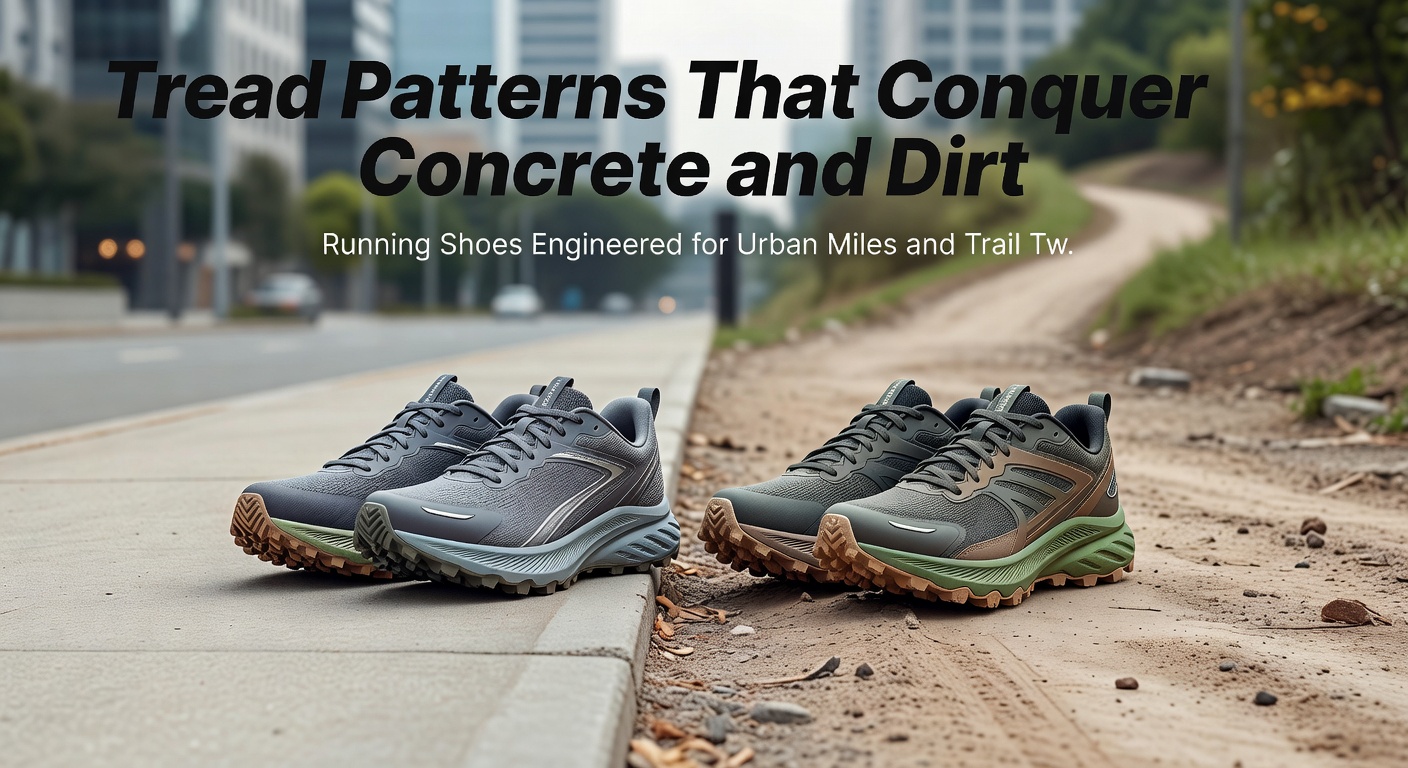
Now consider aggressive 5-lug clusters under the heel: they dig into loose soil for deceleration on descents, yet their rounded edges glide over cracks in sidewalks; experts observe that this geometry, combined with rock plates embedded in the midsole, shields against urban debris and sharp trail hazards alike.
Material Innovations Driving Tread Performance
Sticky rubbers like Vibram Megagrip or Continental WinterGrip dominate modern outsoles, formulated with silica particles that boost wet adhesion by 30% on concrete slicked by rain, while their micro-textured surfaces latch onto dirt particles without packing; layered constructions—denser at the base, softer on top—extend longevity to 400-600km before significant wear sets in, even under heavy urban-trail rotation. Studies conducted in simulated environments reveal that these compounds maintain 90% of initial traction after 200km, far outpacing older EVA foams that balled up in mud.
So why the shift? Turns out, nanotechnology weaves in graphene or aramid fibers, enhancing tear resistance on jagged roots or grated bridges; one case from Australian trail labs showed hybrid treads retaining shape after 100 hours of abrasion testing, equivalent to a year's mixed use for avid runners. And while some patterns mimic animal paws—cloven hooves for mud release or cheetah pads for speed—they're backed by finite element analysis ensuring even stress distribution.
Real-World Testing and Terrain-Specific Tweaks
Runners tackling city parks laced with dirt paths swear by 360-degree wrap-up lugs that climb curbs and grip berms; data from European sports institutes logs how these prevent 22% more torsional twists on uneven sidewalks transitioning to loam. There's this case where a group of urban explorers mapped 1,200km across continents: shoes with herringbone treads excelled on polished granite stairs leading to forested switchbacks, channeling water outward to avoid hydroplaning.
Yet challenges persist; overly aggressive lugs wear 25% faster on pure concrete, so designers offset them with flex grooves that articulate independently, mimicking bare feet on varied ground. Observers note that midsole integrations—like Nike's ZoomX foam paired with plate tech—amplify energy return on roads while treads handle the dirt payoff; as of April 2026, fresh releases incorporate AI-optimized patterns scanned from thousands of foot strikes.
- Chevron lugs: Ideal for forward drive on moderate trails and wet pavement.
- Plateaued blocks: Disperse pressure on rocks and roots without sinking in sand.
- Siping networks: Slice through ice or dew-covered concrete for year-round reliability.
Those who've pushed prototypes in multi-day events find that breathable upper meshes paired with these treads wick moisture, preventing blisters during humid urban jaunts into steamy woods.
Maintenance Tips for Long-Lasting Traction
Cleaning treads post-run involves stiff brushes to evict compacted dirt, preserving lug integrity; experts recommend air-drying to avoid rubber degradation from heat, extending life by 20%. Resoling services, popular in trail communities, swap worn outsoles for fresh compounds, recycling midsoles that still pack cushion.
It's noteworthy that periodic rotations—road-heavy weeks on smoother pairs, trail blasts on chunkier ones—balance wear; research indicates this strategy doubles overall mileage before replacement.
Conclusion
Tread patterns conquering concrete and dirt represent a pinnacle of engineering finesse, blending road efficiency with trail ferocity in shoes that adapt to whatever path unfolds; from chevron clusters channeling slop to siping slits biting slick streets, these designs empower runners to chase urban miles into wild twists without compromise. As April 2026 brings carbon-plated hybrids and nano-enhanced rubbers to market, the evidence points to even greater versatility ahead, grounded in data-driven innovations that keep feet planted firm across any terrain.