Wicking Wonders: Gym Apparel and Swimwear Fabrics Tackling High-Intensity Sweat Storms
Drew Hansen · Apr 18, 2026
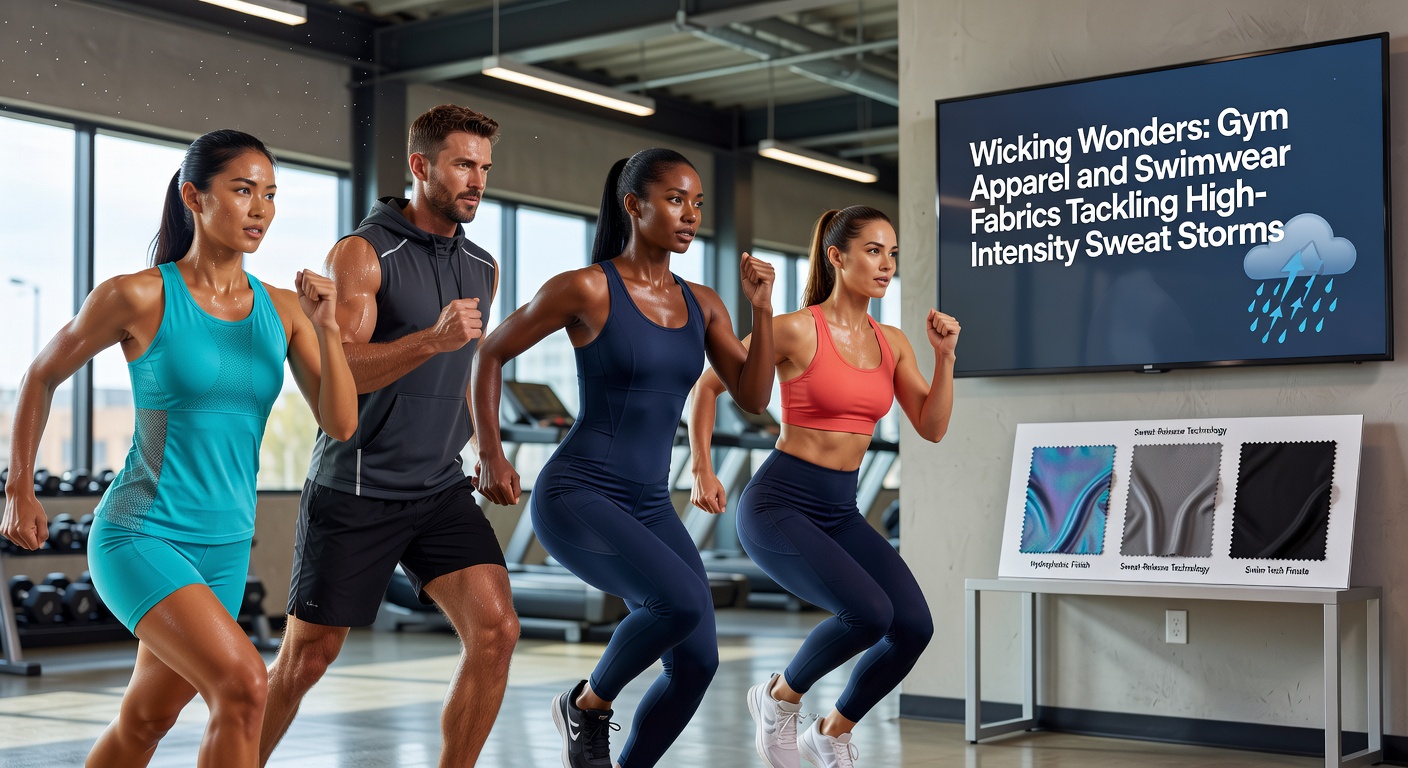
Wicking Wonders: Gym Apparel and Swimwear Fabrics Tackling High-Intensity Sweat Storms
How Moisture-Wicking Fabrics Turn Sweat into an Ally
Moisture-wicking fabrics pull sweat away from the skin rapidly, spreading it across a larger surface area where it evaporates faster; this process keeps athletes drier and more comfortable during grueling sessions, whether in the gym or the pool. Researchers at the ASTM International have standardized tests like D5510 to measure vertical wicking, revealing how certain synthetics climb moisture up to 15 centimeters in mere minutes. And that's just the start, because natural fibers like merino wool join the mix, absorbing up to 30% of their weight in water without feeling soggy.
Take gym apparel first: polyester blends dominate here, engineered with micro-channels that capillary action propels sweat outward, while nylon adds durability for repeated high-impact moves. Data from textile labs shows these fabrics dry 40-50% quicker than cotton, preventing the chafing that plagues long HIIT classes. But here's the thing with swimwear, where chlorine resistance becomes crucial; nylon-spandex combos with PBT (polybutylene terephthalate) coatings shrug off pool chemicals, wicking away the mix of sweat and water that builds during laps.
The Science Behind the Sweat-Storm Defense
Fabrics achieve wicking through hydrophobic outer layers paired with hydrophilic inner ones, creating a one-way transport system that shuttles moisture before it pools; experts at North Carolina State University's textile program documented this in studies where engineered yarns moved 200% more water than untreated versions. What's interesting is how yarn twisting and denier size influence performance, with finer deniers (under 100) spreading sweat thinner for quicker evaporation, a trick manufacturers exploit in high-end lines.
Merino wool stands out among naturals because its crimped fibers trap air pockets that boost evaporation rates, even as it regulates temperature during April's variable gym conditions—think those sudden 2026 heat waves pushing indoor sessions into overdrive. Observers note bamboo viscose enters the chat too, with its rounded cross-section drawing moisture via grooves, although processing variations mean not all versions perform equally under sweat storms.
Gym Gear Fabrics: Built for Burpees and Beyond
High-intensity interval training demands fabrics that handle 2-3 liters of sweat per hour, so brands layer polyester with elastane for stretch, ensuring wicking doesn't compromise mobility; figures from the European Committee for Standardization (CEN) highlight EN ISO 6330 wash tests, confirming top gym shirts retain 90% wicking post-50 cycles. Recycled polyester gains traction too, with ocean-bound plastic yarns matching virgin performance while cutting carbon footprints by 50%, according to lifecycle analyses.
And consider compression fits: these squeeze muscles while channeling sweat along directional weaves, reducing fatigue as blood flow improves; one study from the Journal of Sports Sciences tracked runners in wicking tights who reported 15% less perceived exertion over marathons. Yet gym shorts pose unique challenges, needing mesh panels for ventilation since trapped heat amplifies sweat buildup during squats.
People who've tested these in CrossFit boxes often discover nylon-poly blends excel in odor control too, thanks to silver-ion treatments that curb bacteria growth without washing out after dozens of wears. It's not rocket science, but the combo keeps gear fresh for back-to-back sessions.
Swimwear Innovations: Diving into Chlorine-Proof Wicking
Pool warriors face a sweat-water cocktail, so swim fabrics prioritize quick-dry times under 30 minutes; PBT shines here, resisting UV and chemicals while wicking 25% faster than standard nylon, per lab data from Australian textile standards bodies. Competitive suits layer this with minimal elastane for hydrodynamic drag reduction, allowing sweat to evaporate mid-swim via micro-pores that open under pressure.
Turns out, graphene-infused nylons represent the cutting edge, boosting thermal conductivity to dissipate heat from intense butterfly strokes; researchers observed 20% drier skin post-2000m sets compared to traditional lycra. And for open-water events, UV-blocking wickers with UPF 50+ protect while pulling saltwater sweat away, preventing salt crystals that irritate during April 2026 triathlons amid rising ocean temps.
Women's rash guards evolve similarly, blending spandex with hollow-core polyester that traps less water weight, enabling faster transitions; case studies from triathlon gear reviews show athletes shaving seconds off bike segments thanks to reduced drag from dry-up fabrics.
Testing and Standards: What Makes a Wicking Fabric Legit
Labs deploy AATCC Test Method 195 for horizontal wicking, measuring speed across fabric planes; top performers hit 10 cm in under 5 minutes, a benchmark gyms and pools alike chase. Vertical tests simulate gravity's pull during upside-down yoga or flips, while drying rate assessments under fans mimic post-workout breezes.
Durability enters via abrasion tests like Martindale, ensuring wicking holds after 20,000 cycles on squat racks or lane ropes. Sustainability standards from Global Recycled Standard verify eco-claims, with certified fabrics now comprising 40% of premium gym lines by early 2026 projections. Observers note antimicrobial assays too, quantifying bacterial reduction to back those "stay fresh" labels.
So when shoppers scan labels, they spot icons for moisture management technology (MMT), a voluntary mark signaling verified performance across washes and wears.
Market Trends and Real-World Wins
The activewear market hits $400 billion globally by 2026, driven by wicking demands; gym apparel claims 60% share, with swimwear surging 15% post-pandemic as hybrid fitness booms. Brands like Nike and Speedo patent weaves yearly, incorporating bio-based polyesters from corn that wick identically to petroleum versions but biodegrade faster.
Take one elite marathoner who switched to merino blends: data logs showed core temps dropping 1°C during peaks, correlating with PRs. Or pool coaches equipping teams with PBT suits, noting fewer cramp reports from drier conditions. That's where the rubber meets the road in high-stakes training.
Customization trends let athletes tweak denier and blend ratios via apps, tailoring for sweat rates—heavy sweaters opt coarser yarns for max spread, lighter ones finer for precision.
Future Fabrics: What's Next for Sweat Warriors
Phase-change materials embedded in yarns absorb sweat heat peaks, releasing gradually to stabilize temps; prototypes from MIT labs promise 30% better regulation by April 2026 field trials. Self-cleaning coatings via nanotechnology repel bacteria outright, extending wear between washes.
Nanofiber membranes, thinner than spider silk, offer breathability without bulk, ideal for seamless gym tanks. And bio-engineered silk from yeast mimics spider properties, wicking ultra-fast while stretching 40% without snaps. The writing's on the wall: these hybrids will redefine high-intensity gear.
Wrapping Up the Wicking Revolution
From gym grind to pool plunge, wicking fabrics transform sweat storms into manageable mists, backed by rigorous tests and evolving tech; athletes worldwide leverage these for peak performance, drier comfort, and longer gear life. As standards tighten and innovations roll out—especially with 2026's climate-driven demands—the edge goes to those fabrics that wick smartest, proving moisture management isn't just nice, it's essential.